
Cut cables in Toowoomba: why every charging stop needs a backup
Thieves stripped four fast-charger cables in Toowoomba. Here's how to plan a second charging option before a regional drive, not after.

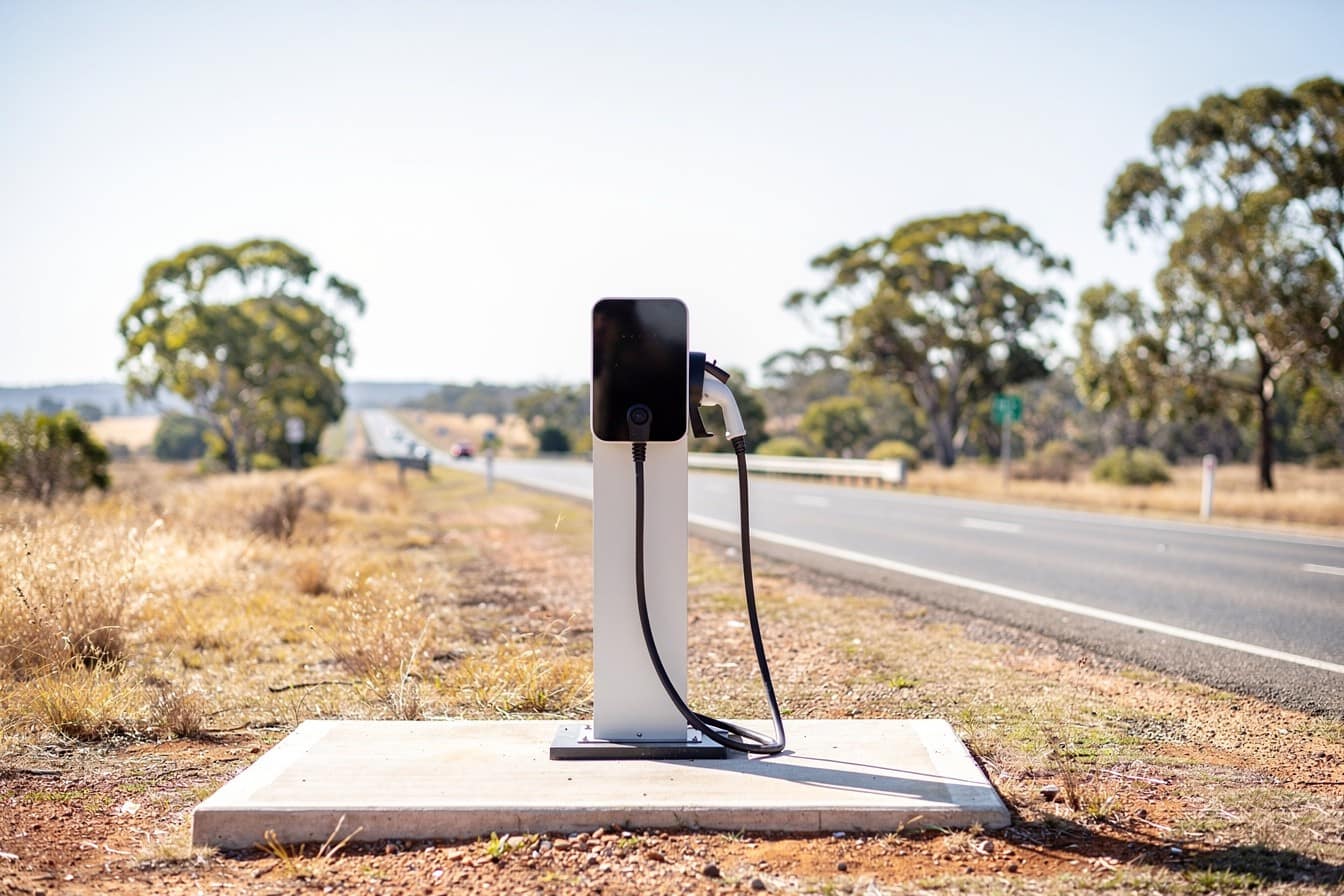
A Toowoomba shopping centre car park lost all four of its fast-charger cables in one theft. Yahoo News Australia reported the theft was presumed to be for the copper, and that the cables were taken even though theft-deterrent measures were in place.
For most people that's a short news item. For a driver about to head west out of Toowoomba, it decides how the day goes.
Local EV driver Peter Wimshurst told Yahoo News Australia those were the only fast chargers in the city that work with his car, and that they've been vandalised more than once. That's the part that matters on a long drive. One damaged car park is an annoyance. A trip leg that hangs on one site is a problem waiting for the wrong afternoon.
What happened in Toowoomba
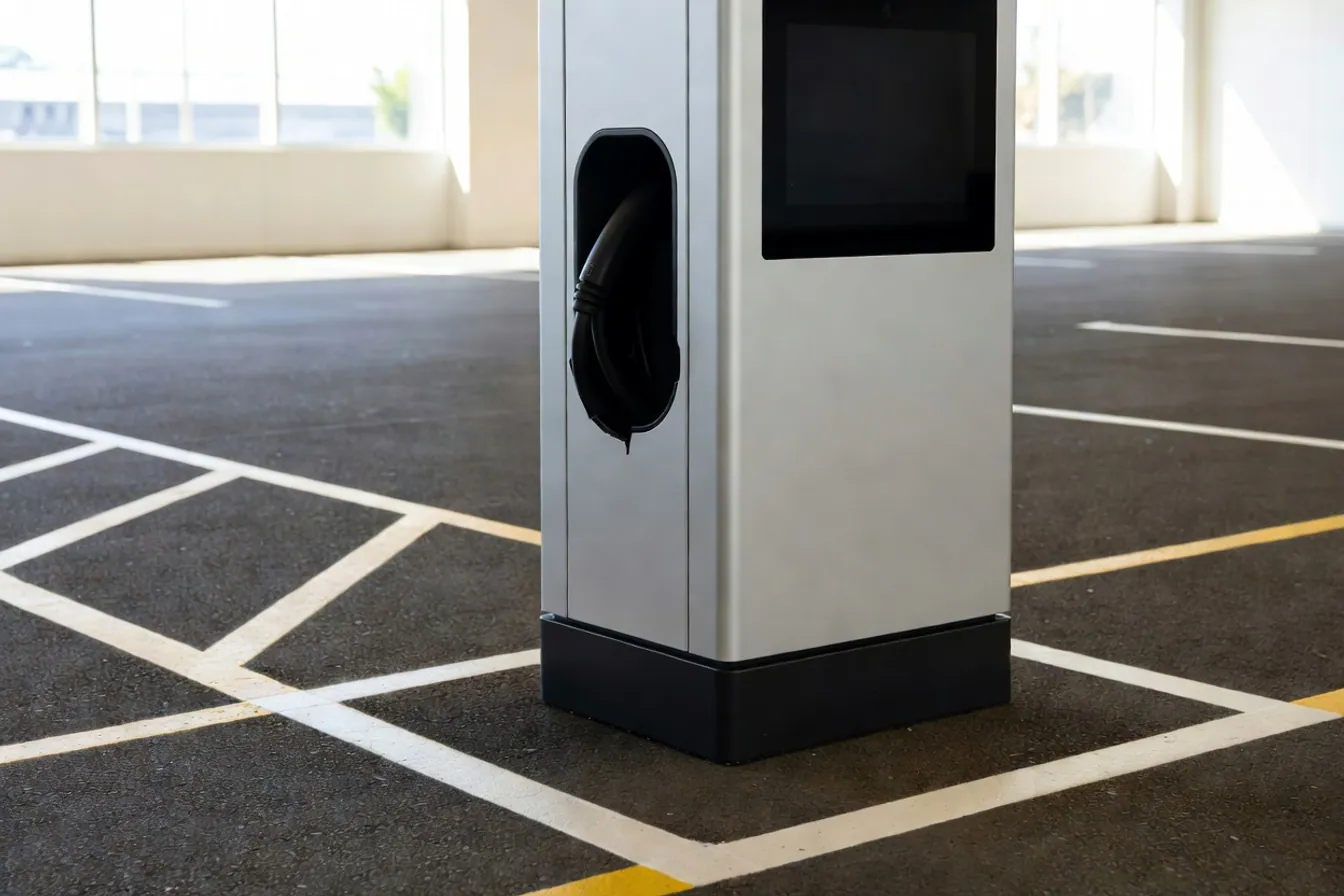
The facts are short. Two fast chargers at a shopping centre, four cables cut and taken. Deterrents are the operator's job, and the Toowoomba cables still went.
It's not one city or one network
Swinburne University's Professor Hussein Dia told Yahoo News Australia that charger cable theft has been reported in Victoria, New South Wales and Queensland, and that some sites have been hit repeatedly.
Victoria has been hit too. In late September 2026, cables were cut at the Tesla Supercharger at Lucas, near Ballarat, and The Driven counted 28 bays affected across Lucas and central Ballarat. Yahoo News Australia put it at up to 20 stalls. Whichever figure you take, a regional city lost a lot of plugs in one go.
Why one site is the real risk
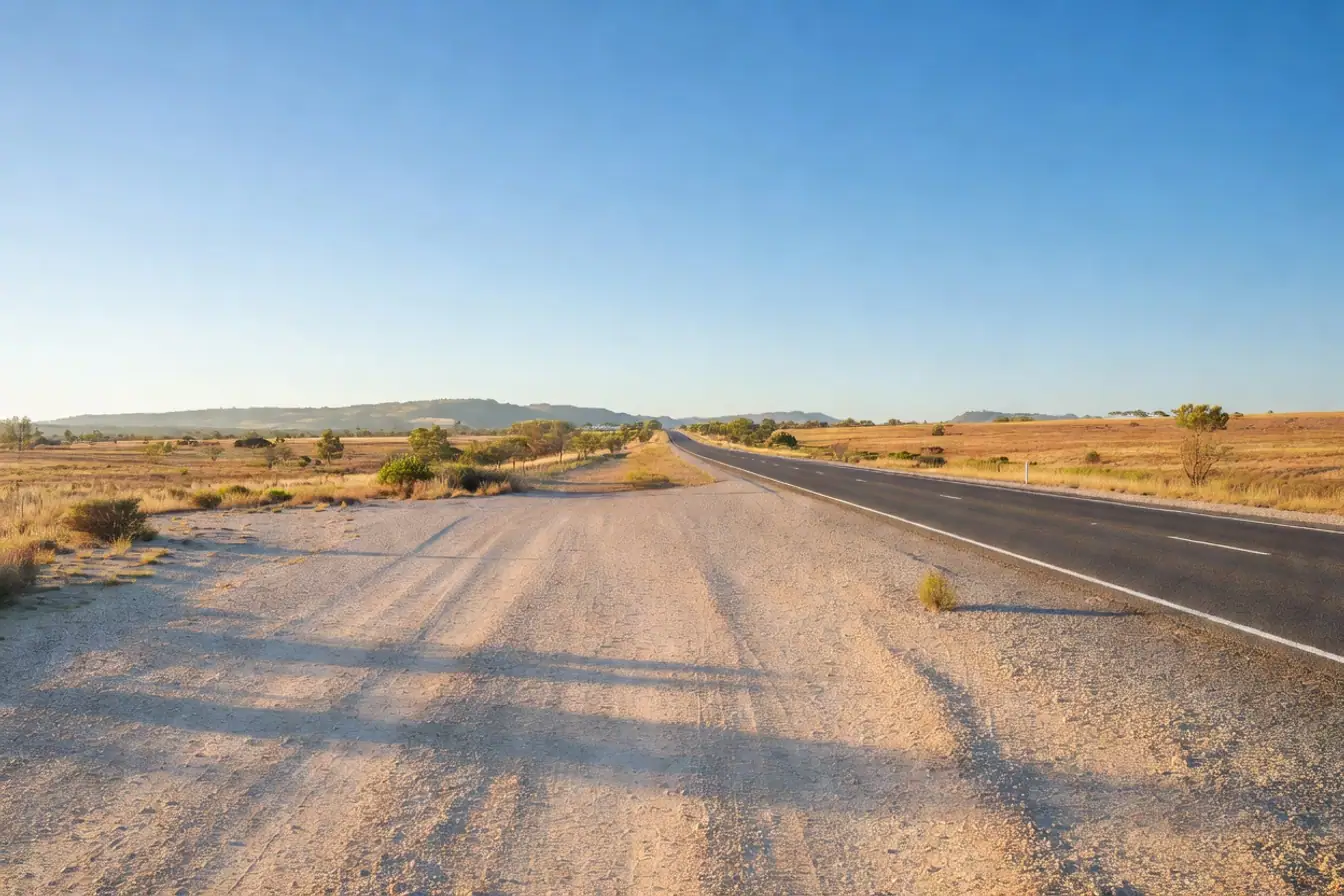
In a capital city, a stripped charger usually means a short drive to the next one. Out on a regional run, the next one might be the town you were planning to reach on that charge.
Here's what actually happens. You pull in at, say, 18 percent and find stumps where the cables used to be. Now you're working out plan B in a car park, with whatever range you've got left and a phone that's patchy once you're off the highway towers.
Two things make it worse than it looks on a map:
- Not every fast charger suits every car. A town can have several fast chargers and still just one that takes your connector, which is the situation Mr Wimshurst described.
- A second bay at the same site isn't a backup. Your plan B has to be a different site, ideally a different car park entirely.
How to plan a second option before you leave
None of this is clever. It's the habit that turns a stripped site into a detour instead of a lost afternoon.
- Pick your main stop for each leg and check it takes your car's connector, not just that it's fast.
- Pick a second charger at a different site that also takes your connector.
- Check you can reach that second charger on the battery you'll arrive at the first one with. If you can't, it isn't a backup.
- Set an arrival buffer. The Route Planner's default is 15 to 20 percent left at every stop, a sensible margin so the run to plan B isn't a gamble.
- Don't ignore the slower pins. A charger under 50kW is slow on a road trip, but it can get you to the next fast one.
- Sort all of this before you lose signal. Planning in a dead zone with a low battery is the worst version of this job.
What an app can and can't tell you
Charge Nomad doesn't show operator data on whether a charger is working right now, and no app should promise it. Planning a second option is a smaller, more realistic goal than certainty, and it's the one that holds up when a cable goes missing.
You can do every step above by hand with a map and a notepad. Or the Route Planner in Charge Nomad can do it for you. Give it your start, destination, car and battery percentage, and it works out where to stop, how long to charge and how much battery you'll arrive with. It plans to the arrival buffer you set, 15 to 20 percent by default with an 80 percent target per stop, gives every planned stop a backup charger nearby and flags any leg where the chargers just aren't there yet, before you commit to the route. The Route Planner is part of Charge Nomad+: on iPhone it's $4.99 a month or $39.99 a year in Australia, with a 7 day free trial on the monthly plan. On Android there's a 7 day free trial on the monthly plan and the price is shown in Google Play. Prices vary by country.
The charger map and Stranded mode are free. The map matches chargers to your exact car, Nissan Leaf and imports included, which is the check Mr Wimshurst's situation calls for. If it does go badly, Stranded mode finds the closest charger you can actually reach and shows the right emergency and roadside numbers for Australia or New Zealand.
Charge Nomad is free on the App Store and Google Play, no ads, iOS 17 and up or Android 8 and up: evbygenz.com/app
On your regular long drive, which leg depends on just one charger?
Questions drivers ask
Why are EV charger cables being stolen in Australia?
Yahoo News Australia reported the Toowoomba theft was presumed to be for the copper in the cables. Swinburne University's Professor Hussein Dia told the same outlet that cable theft has been reported in Victoria, New South Wales and Queensland, with some sites hit repeatedly.
Can Charge Nomad tell me if a charger has been vandalised?
No. Charge Nomad doesn't show operator data on whether a charger is working right now, and no app should promise it. What it does is plan a backup charger near every stop on the Route Planner, show notes from other drivers and let you report a site that's wrong.
How much battery should I arrive at a charger with on a regional trip?
The Route Planner's default buffer is 15 to 20 percent left at every stop, and that's a sensible margin. That margin is what lets you reach a second charger if the first one is out of action.
Is the Charge Nomad Route Planner free?
The Route Planner is part of Charge Nomad+. On iPhone it's $4.99 a month or $39.99 a year in Australia, with a 7 day free trial on the monthly plan, and on Android the price is shown in Google Play with the same 7 day trial on the monthly plan. Prices vary by country, and the charger map and Stranded mode are free.
// SOURCES
- Yahoo News Australia: Toowoomba fast-charger cables stolen
- Yahoo News Australia: charger cable theft spreading across states
- The Driven: cables severed at charging bays near Ballarat
- CarExpert: charging provider rolls out response to vandalism and theft
- SolarQuotes: EV charging cable theft in Australia
- ABC News: man burned at Toowoomba substation in alleged wire theft